
For years, businesses have been told that growth requires more tools.
More software. More subscriptions. More dashboards.
CRM systems, project management platforms, marketing tools, analytics tools, customer support tools — each promising to “save time” while quietly adding hundreds or thousands of dollars per year to operating costs.
Today, that model is changing.
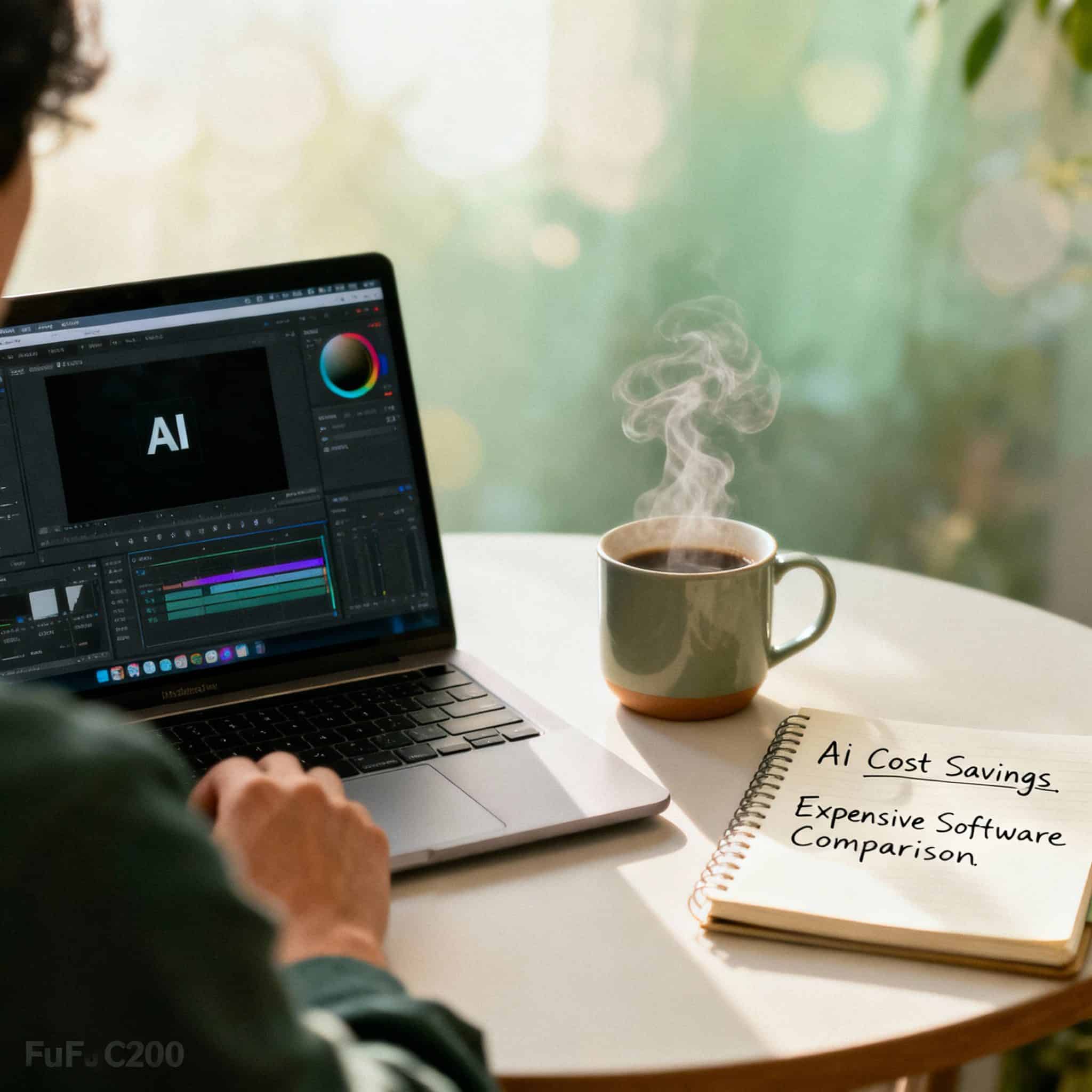
Artificial intelligence is allowing businesses to replace entire stacks of expensive software with flexible, on-demand systems that adapt to how the business actually operates — not the other way around.
And the savings are real.
Most businesses don’t realize how much they’re spending on software because the costs are spread out:
Before long, it’s common to see businesses spending $1,500–$5,000 per month on software — much of which is underused.
The real problem isn’t just cost. It’s rigidity.
Traditional software forces businesses to:
AI flips that model.
Instead of buying separate tools for each task, AI can handle entire categories of work dynamically.
A typical setup might include:
An AI system can:
Result:
Savings: $500–$1,500/month for many small to mid-sized businesses.
Businesses often pay separately for:
AI can:
Instead of outsourcing or stacking tools, AI becomes a content engine.
Savings:
Think about how much time is spent:
AI can be trained on:
This allows teams to:
Savings here aren’t just financial — they show up as time regained, which is often more valuable.
Traditional software is:
AI is:
Instead of paying for a tool forever, businesses invest in capability.
You’re no longer buying software — you’re enabling intelligence.
Traditional Stack
Total: ~$800/month ($9,600/year)
AI-Driven System
Total: A fraction of the cost — with broader coverage.
And unlike fixed software, AI improves over time.
The largest savings don’t come from replacing one tool.
They come from:
AI doesn’t just save money — it prevents waste before it happens.
One of the biggest misconceptions is that AI is about replacing staff.
In reality, successful businesses use AI to:
That’s where the real ROI lives.
Most businesses don’t need more software.
They need smarter systems.
AI allows companies to:
The question is no longer if AI can replace expensive software.
It’s how long businesses will keep paying for tools they no longer need.
Get a Free AI Assessment
Find the fastest way AI can save you time and improve your workflow. We’ll review your goals, spot quick wins, and map a simple plan you can actually implement. No pressure, no commitment. Just clarity.